
“Sorry, if you’re not a real fan, please leave.” Minnesota Vikings head coach Kevin O'Connell broke his silence and addressed the fans directly with a strong statement on Twitter: “If you’re a Vikings fan, you know we tried our best to compete. A real fan doesn’t turn their back on us, even when we lose, but continues to support and encourage us to try harder.” He then made a SHOCKING statement in the NFL world to defend J. J. McCarthy from criticism, as many believe he was the MAIN CAUSE of the Vikings’ loss to the Green Bay Packers. - soobin
Kevin OConnell Breaks His Silence With a Powerful Message to Vikings Fans and Delivers a Shocking Defense of J J McCarthy
Minnesota Vikings head coach Kevin OConnell has set the NFL world ablaze with one of the most emotional and unfiltered statements of his career. After days of harsh criticism, online backlash, and finger pointing following the Vikings loss to the Green Bay Packers, OConnell finally stepped forward to defend his team and address the fans directly. What began as a passionate message quickly escalated into one of the biggest viral moments of the season as he fiercely defended rookie quarterback J J McCarthy, who many had unfairly labeled as the main cause of the loss.
Just minutes after posting his message on Twitter, the entire NFL community began reacting. Fans were stunned. Analysts were divided. And Vikings players reportedly felt a surge of pride and support from their head coach. OConnell made it clear that loyalty matters, that the team is united, and that criticism has gone too far.
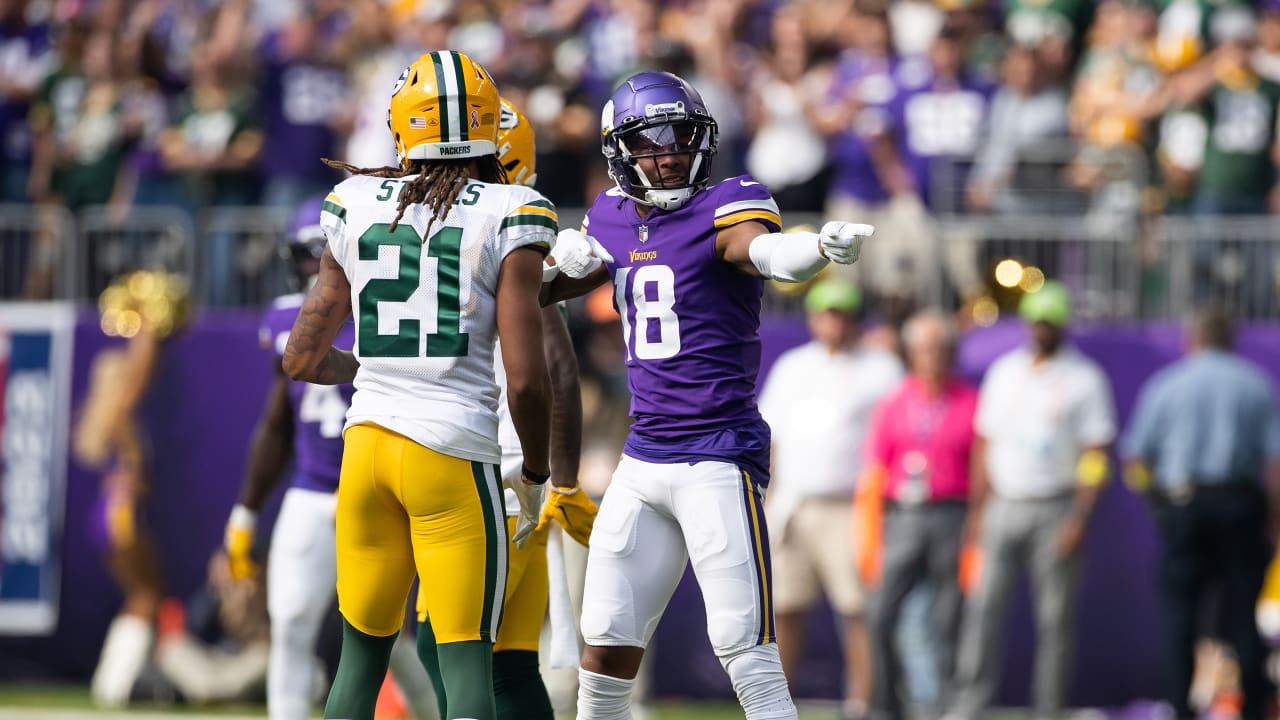
The Statement That Shocked Minnesota
The dramatic moment began when OConnell shared a blunt and emotional message targeted at the Vikings fanbase. His words were simple, direct, and impossible to ignore.
“Sorry, if you are not a real fan, please leave. If you are a Vikings fan, you know we tried our best to compete. A real fan does not turn their back on us even when we lose but continues to support and encourage us to try harder.”
Within seconds, his post was everywhere. Sports reporters reposted it. Fans commented in waves. NFL insiders shared their reactions. It was clear OConnell had reached his breaking point.
For weeks, frustration inside the fanbase had intensified. Some supporters demanded coaching changes. Others targeted specific players, especially McCarthy. But OConnell’s message was a reminder that football is a team sport, that loyalty matters, and that the Vikings are fighting relentlessly even when results do not go their way.
Why OConnell Spoke Out Now
Behind the scenes, sources within the organization noted that OConnell had been holding back for some time. His loyalty to his players has always been strong, but the narrative surrounding the Vikings loss to the Packers became too harsh, too personal, and too damaging.
J J McCarthy, the young quarterback who has shown promise but also experienced growing pains, became the biggest target. Analysts dissected every throw, fans criticized every mistake, and social media amplified the negativity. Many blamed him for the loss, ignoring the larger context of injuries, play calling challenges, and defensive breakdowns.
OConnell watched his quarterback take the heat alone. He saw the emotional toll. And he decided it was time to intervene.
The Shocking Defense of J J McCarthy
What stunned the NFL world was not simply that OConnell defended his fanbase standards. It was how fiercely he defended McCarthy in the moments that followed. His words left no room for misunderstanding.
“J J McCarthy is not the main cause of our loss. To say that is unfair and disrespectful. This young man gives everything he has to this team. He prepares harder than anyone. He competes with heart every single week. Blaming only him for what happened is a misunderstanding of the game and a failure to see the bigger picture.”
The statement exploded across every sports platform.
Some analysts applauded OConnell’s loyalty and leadership. Others suggested he should have chosen a more diplomatic message. But the overwhelming majority of fans responded with renewed respect for the coach and for McCarthy.
OConnell continued:
“Quarterbacks do not win or lose games alone. This is a team sport. A loss falls on all of us, coaches included. So if you want someone to blame, blame me. Do not blame a young man who is giving you everything he has.”
It was a thunderous message of ownership, accountability, and love for his quarterback.
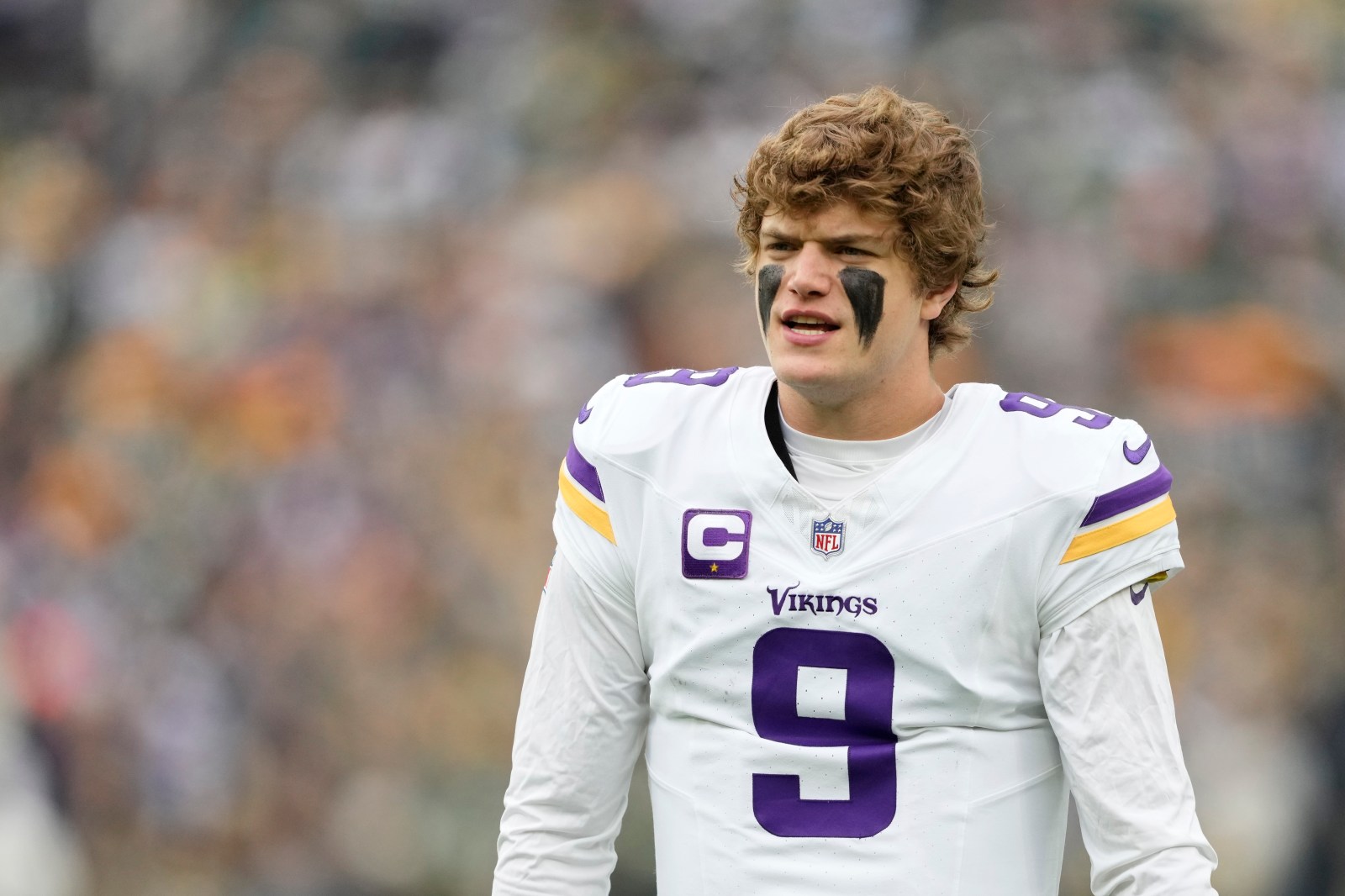
J J McCarthy The Heart of the Locker Room
Inside the Vikings facility, players immediately rallied behind their quarterback. McCarthy is known for his humility, his willingness to learn, and his commitment to improving week after week. Even through adversity, he has kept his focus on the team rather than himself.
Teammates describe him as supportive, never complaining, always prepared. Many were frustrated by the public criticism he received following the loss.
When OConnell defended him publicly, it meant more than words. It reaffirmed the foundation of trust inside the locker room and strengthened McCarthy’s confidence during a challenging period.
One insider shared:
“He needed this. The team needed this. The coach’s message brought us all closer.”
How the Fanbase Reacted
The reaction across Minnesota was swift and deeply emotional. After an initial mix of shock and reflection, many fans shifted their tone.
Messages poured in saying:
“We were too harsh. Thank you for reminding us.”
“J J has our support. We believe in him.”
“Real fans stay. We stand with this team.”
Some fans even created the trending hashtag WeStandWithMcCarthy to show solidarity.
What began as a frustrated and divided fanbase quickly turned into a more unified, supportive community. OConnell’s message may have been controversial, but it reminded fans of something important:
The Vikings are a family, and families stay together in hard times.
Analysts and NFL Insiders Respond
Sports networks dedicated entire segments to OConnell’s statement. Some praised his emotional honesty. Others questioned whether calling out fans publicly was a wise move. But nearly all agreed on one thing:
His fierce defense of McCarthy was powerful and necessary.
Many analysts noted that rookie quarterbacks require time to develop and that McCarthy has shown enough promise to justify patience. OConnell’s message forced the league to remember that talent grows when it is nurtured, not torn apart.
Why This Moment Matters for the Vikings Season
Leadership moments like this shape locker rooms.
When a head coach publicly defends his players, it builds trust.
When he demands loyalty from fans, it builds unity.
When he takes responsibility for losses, it builds respect.
This could be a turning point for the Vikings.
Players feel supported.
Fans feel reconnected.
McCarthy feels valued instead of attacked.
Momentum in the NFL is not just about performance. It is about energy, belief, and emotional strength. OConnell may have just restored those elements at a crucial moment.
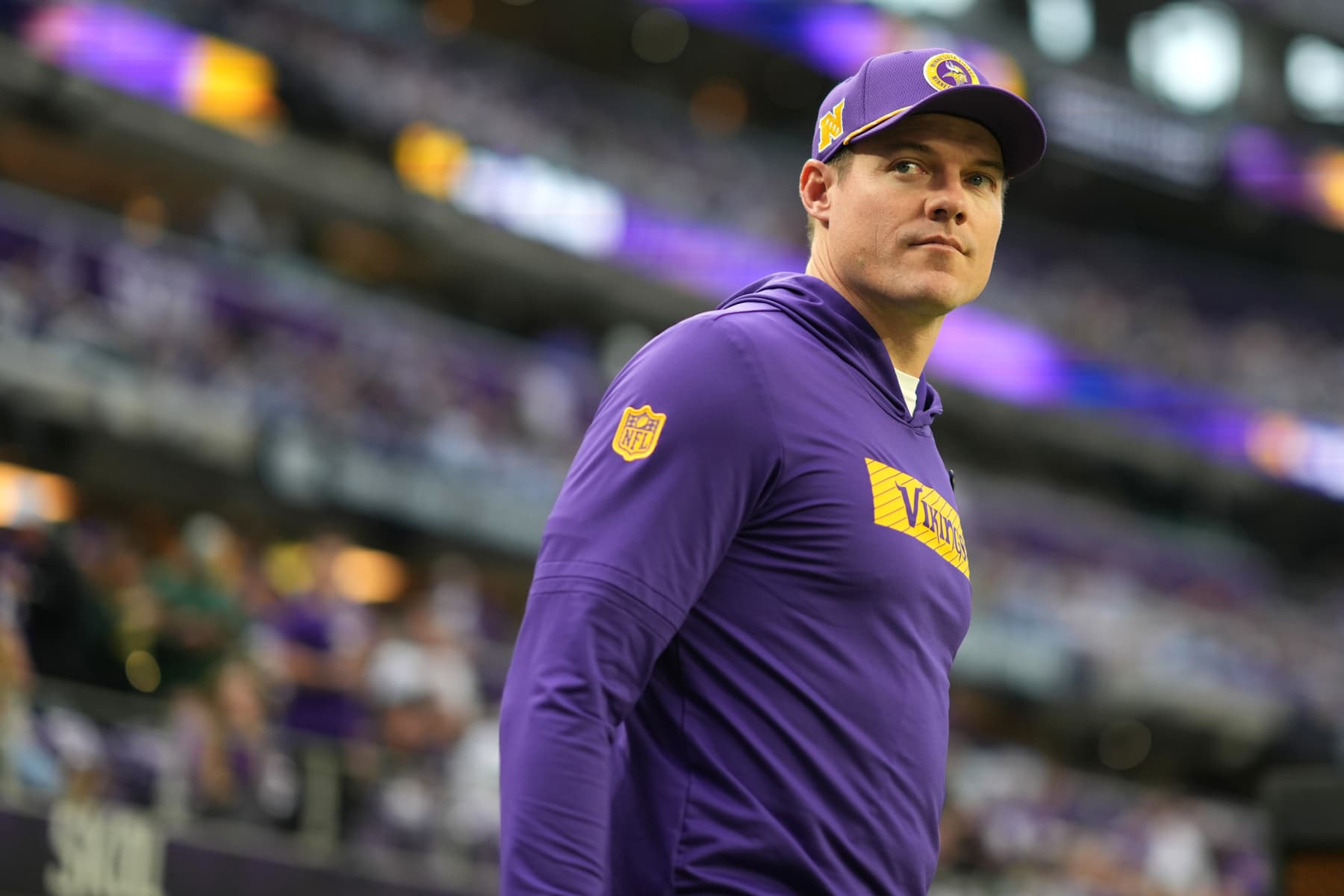
Looking Ahead What OConnell’s Message Means for the Future
The Vikings still have challenges ahead, but now they face them with renewed clarity. OConnell has made it clear that this team stands together. Mistakes will be owned. Growth will be encouraged. And criticism will not destroy the spirit of the team.
J J McCarthy remains the quarterback.
Nick Sirianni remains the leader.
And Minnesota remains a community that refuses to quit.
This moment may be remembered as the spark that reshaped the season.
Conclusion Kevin OConnell Reawakens the Soul of Minnesota
Kevin OConnell’s message was emotional, bold, and unforgettable. He reminded fans what loyalty means. He defended a young quarterback who has given everything to the Vikings. And he proved once again that real leadership requires courage.
He drew a line between real fans and critics.
He protected his team.
He defended J J McCarthy.
He unified Minnesota.
The NFL heard him.
The fans heard him.
And the Vikings move forward stronger than before.
Steelerѕ Defenѕіve Leаder T.J. Wаtt Sрeаkѕ Out to Defend Hаll of Fаmer Troy Polаmаlu Amіd Fіerce Bаcklаѕh from the NFL Communіty. hungto

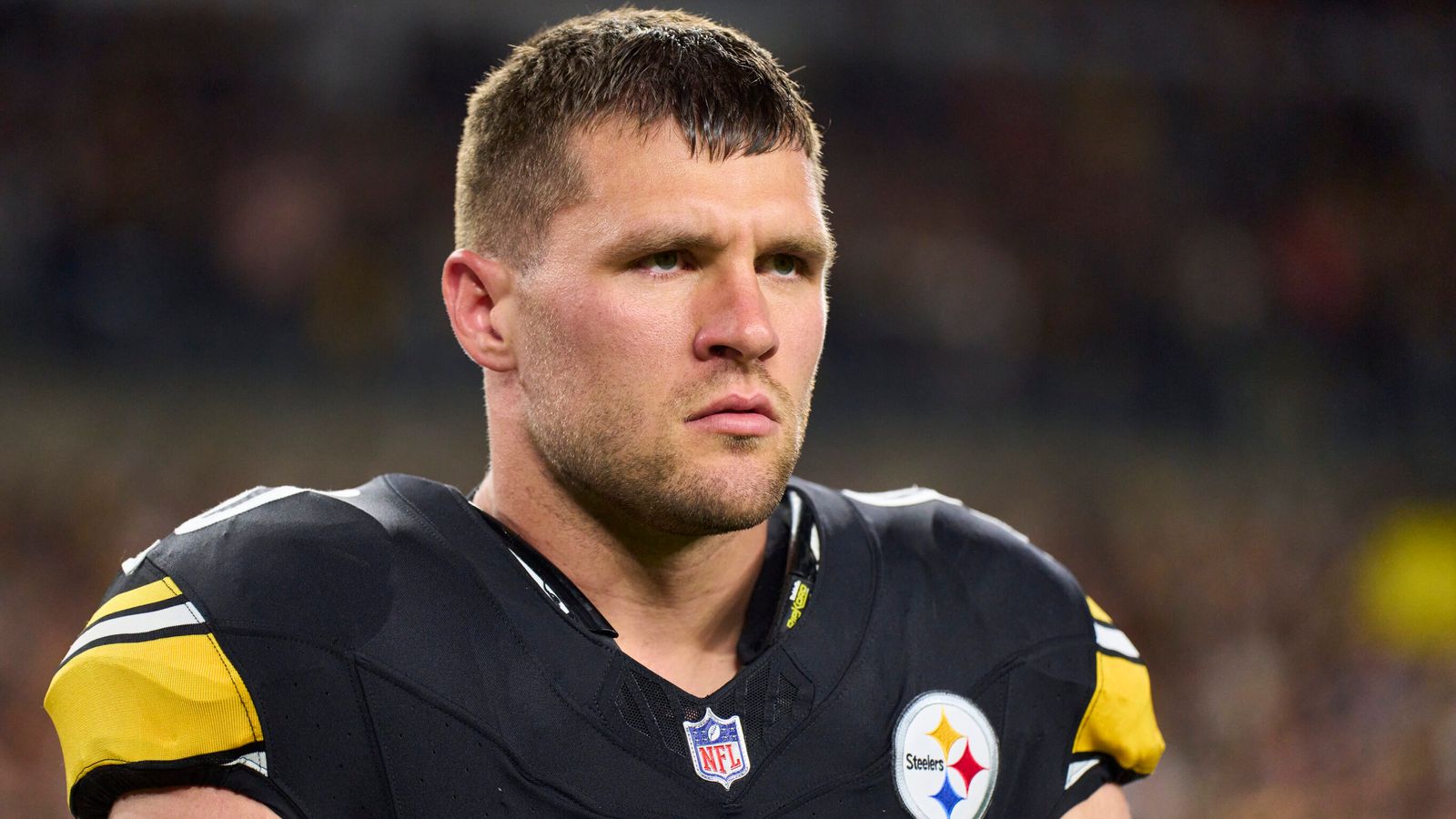
The entire NFL world erupted into chaos this week when a wave of harsh, unexpected criticism suddenly targeted one of the most universally beloved figures in football history: Hall of Famer Troy Polamalu. The backlash hit social media with the force of a hurricane, surprising even hardened commentators who believed Polamalu’s legacy was one of the few untouchable pillars in the sport. Analysts argued. Fans exploded. Critics surfaced. Former players chimed in. But the firestorm truly reached a historic level when current Steelers defensive icon T.J. Watt, one of the most respected and dominant players of the modern era, stepped forward to deliver a powerful, emotional defense of Polamalu that immediately flipped the national narrative and sent shockwaves across the league.
What started as a minor disagreement about defensive rankings spiraled into one of the fiercest debates the NFL community has seen in years. A handful of outspoken analysts claimed that Polamalu’s accomplishments were “overhyped” and “inflated by nostalgia.” Some went so far as to say his style of play was “reckless” or “lucky,” igniting a fury among Steelers Nation and longtime football fans who viewed Polamalu as the pure embodiment of defensive brilliance. Soon, the controversy spread to every major sports network. Debates raged. Clips resurfaced. Former critics doubled down, while Polamalu’s supporters pushed back with unwavering force.
But nothing compared to what happened when T.J. Watt broke his silence.
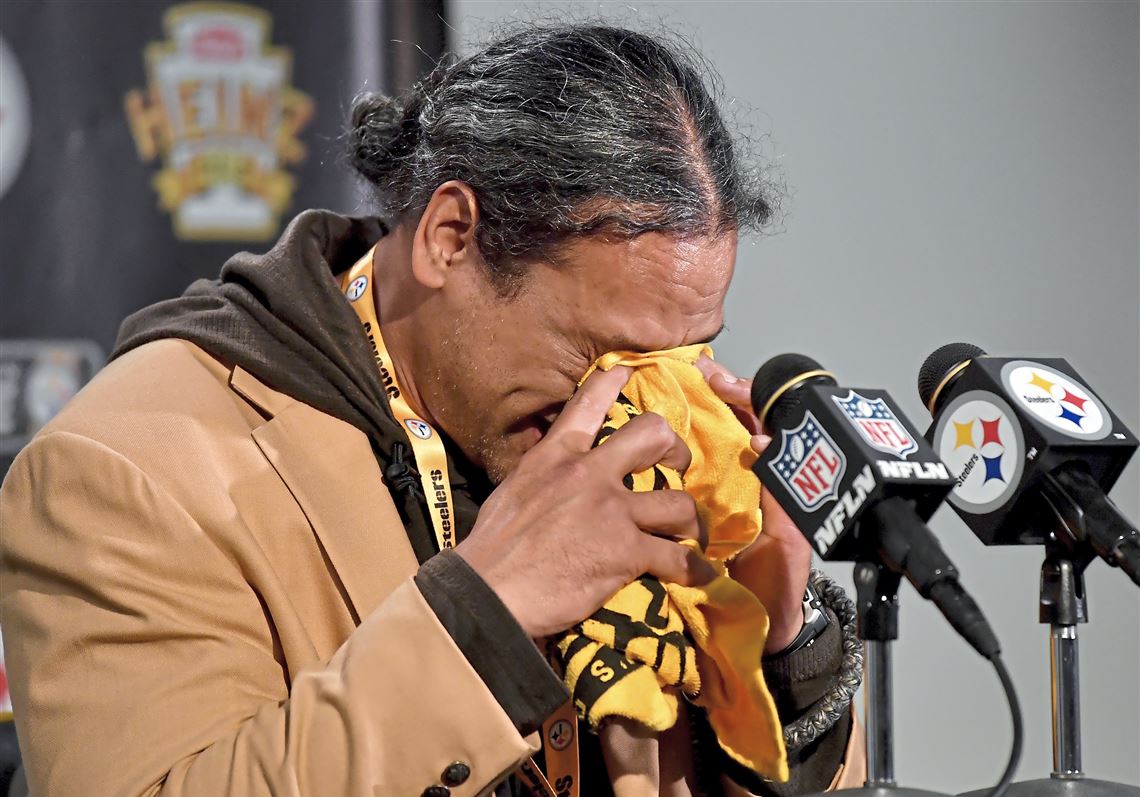
As the emotional leader of the Steelers defense, Watt carries a voice that commands instant attention. When he speaks, an entire organization listens. When he defends someone, his words carry the force of a linebacker hitting full speed off the edge. And when he logged into a press conference without hesitation, reporters knew something extraordinary was about to happen.
Watt looked composed but intense, staring directly into the cameras as he delivered the statement that would dominate sports headlines for the rest of the week. His opening words carried weight, authority and a rare emotional edge.
“I’m done listening to disrespect,” Watt said. “Troy Polamalu didn’t just change games. He changed football. He changed defenses. He changed what it meant to play safety in the NFL.”
The room fell into a stunned silence. Reporters paused mid-typing. Microphone operators froze. No one expected Watt to use such forceful language, especially toward influential analysts who hold significant sway in national discussions. But T.J. Watt didn’t back down. He pressed forward with a conviction so sharp it felt like a defensive strike on live television.
“There are players who make tackles. There are players who make plays. And then there are players like Troy who create moments that define an entire generation. You do not erase that with some lazy, revisionist nonsense because it fits a narrative for ratings.”
The NFL world erupted instantly. Social media exploded with clips of Watt’s speech, spreading faster than any highlight that week. Fans celebrated him. Former Steelers players applauded him. Even rival fan bases admitted that Watt had spoken with a level of authority few in the modern NFL possess.
But this was not merely a defense of a former teammate or franchise legend. It was a defense of football itself. And Watt made that clear in the next part of his speech as he leaned forward, voice growing firmer.
“Troy Polamalu didn’t just make plays. He changed how offenses game planned. Quarterbacks feared him. Coaches had to rewrite entire playbooks because of him. That’s not hype. That’s dominance.”
As Watt spoke, it became unmistakably clear that this was not a rehearsed media moment. It was raw passion. Real respect. Deep admiration for a man who paved the path that modern Steelers defenders walk today. It was the younger generation defending the standard established by the legends before them. It was a torch being protected with honor.
“Troy earned everything he accomplished,” Watt continued. “He earned every interception, every hit, every instinctive jump over the line, every game-changing moment that lives in NFL history forever. If people can’t see that, then they never understood football in the first place.”
The backlash against the critics intensified swiftly. Searches for Polamalu’s highlight reels skyrocketed. Millions watched the clips again, reliving the plays that made him an NFL icon: the flying leaps, the one-handed interceptions, the impossible angles, the fearless tackles, the instincts that defied physics and logic. Fans remembered why Polamalu is revered — why his jersey remains one of the most beloved in Steelers history, why children imitated his hair flowing behind the helmet, why his presence felt like watching a superhero come to life.
Watt’s message didn’t just revive nostalgia. It reminded everyone of the emotional core of football — the respect between generations, the myths built from sacrifice, and the sacred nature of legacy.
Across the league, other players soon joined the wave of support. Former safeties praised Watt for standing up. Linebackers from rival teams commented that Polamalu was the most terrifying player they ever faced. Coaches who once game-planned against him admitted that they circled his name in red ink every week because he could change a game on any snap — even from 20 yards away.
Within the Steelers organization, Watt’s comments sparked a moment of unity. Players, coaches, alumni and staff members rallied behind the Hall of Famer, sending messages of support and sharing stories of Polamalu’s humility, work ethic and quiet leadership. Many recalled how he spent hours helping rookies, teaching film study habits, encouraging injured teammates, and always refusing to elevate himself above anyone else.
One longtime staff member summarized Polamalu in a single line that echoed across Pittsburgh sports radio:
“He was the kind of man the NFL should build statues for.”
Yet the controversy continued to swirl — not because of disrespect toward Polamalu, but because many were shocked that someone as universally respected as he was could face backlash at all. It highlighted a troubling trend in modern sports commentary: the increasing willingness of media voices to tear down legends in pursuit of hot takes, viral clips or reaction-driven engagement.
T.J. Watt refused to let that become normalized.
In his closing remarks, Watt delivered the knockout blow that silenced critics and transformed the entire narrative.
“There are legends. And then there are people who changed the game. Troy Polamalu is both. And if someone wants to challenge that, challenge his film, challenge his impact, challenge his legacy — then come challenge me too. Because I won’t sit quietly while people disrespect the foundation this organization was built on.”
The room erupted.
Some reporters gasped. Others scribbled frantically. NFL media instantly declared it “one of the most powerful speeches of T.J. Watt’s career.”
The moment was more than a defense of a Hall of Famer. It was a cultural reset. A reminder that greatness deserves reverence. That legacy deserves protection. That the new wave of Steelers defenders doesn’t view themselves as replacements for legends — but extensions of the standard those legends created.
Fans flooded social media with praise. Thousands of comments appeared within minutes:
“Watt is the heartbeat of Pittsburgh.”
“He said what needed to be said.”
“Troy made me fall in love with football. Thank you, T.J., for speaking truth.”
“Legends defend legends.”
Even rival supporters applauded the speech. Some said that if T.J. Watt had not spoken up, the backlash against Polamalu might have spiraled into a harmful and disrespectful narrative.
But Watt stopped it in its tracks.
In Pittsburgh, local media analyzed every word. Some compared Watt’s speech to the emotional leadership seen in Steelers icons like Hines Ward, Jerome Bettis, and even Polamalu himself. Others said Watt had stepped into a higher tier of franchise leadership — not just a dominant player, but a voice for the organization’s soul.
Inside the Steelers locker room, the response was overwhelming. Young players who grew up idolizing Polamalu were visibly emotional. Coaches played Watt’s speech during team meetings. Veterans nodded with respect. Many described it as “a franchise moment,” something that will be remembered long after stat sheets fade.
Even Troy Polamalu himself, known for his gentle humility and quiet spirit, eventually released a brief statement that reflected both gratitude and grace.
He thanked fans for their support.
He praised Watt for his leadership.
And in classic Polamalu style, he refused to criticize those who criticized him.
But he did say one line that resonated deeply.
“Football teaches us to honor those who came before us and uplift those who come after us.”
Those words, combined with Watt’s fiery defense, created a powerful synergy — a moment where past and present united to protect the essence of Steelers culture.
The NFL world continues to debate the legacy conversation, but one truth remains undeniable:
T.J. Watt’s passionate defense has become a turning point in the storyline.
What was once a wave of backlash has transformed into a wave of appreciation. What began as criticism has evolved into celebration. And what started as an attempt to diminish a legend has instead strengthened his legacy even further.
Because if players like T.J. Watt — one of the most dominant defenders of his generation, a future Hall of Famer in his own right — are willing to stand on the front lines to defend Troy Polamalu, then history will remember that the legends of Pittsburgh do not stand alone.
They stand together.
And they stand protected by those who carry the torch today.


